The Math and Magic of Modern iGaming: Slots, Poker, and Your Edge
Three in the morning, and you're still chasing a bonus round that refuses to land. We've all been there. The spinning reels, the river card that either saves you or sinks you, the parlay that looked bulletproof until the third quarter. iGaming is a strange beast: part math, part psychology, part pure adrenaline. And if you want to enjoy it without donating your rent money, you need to understand what's actually happening beneath the surface.
This isn't another "top 10 casinos" listicle. Think of it as a field guide to the mechanics, the odds, and the habits that separate players who last from players who flame out in a weekend.
The House Edge Isn't a Scam — It's the Business Model
Every game you touch in an online casino or sportsbook is built on a mathematical advantage for the operator. That's not a conspiracy; it's how the industry stays solvent and pays for its licenses, staff, and marketing. The question is how big that edge is, because the difference between 1% and 8% is the difference between a slow bleed and a nosebleed.
- Blackjack (basic strategy): roughly 0.5% house edge — the best deal on the floor if you play correctly.
- Baccarat (banker bet): about 1.06% — simple, elegant, and quietly one of the sharpest bets available.
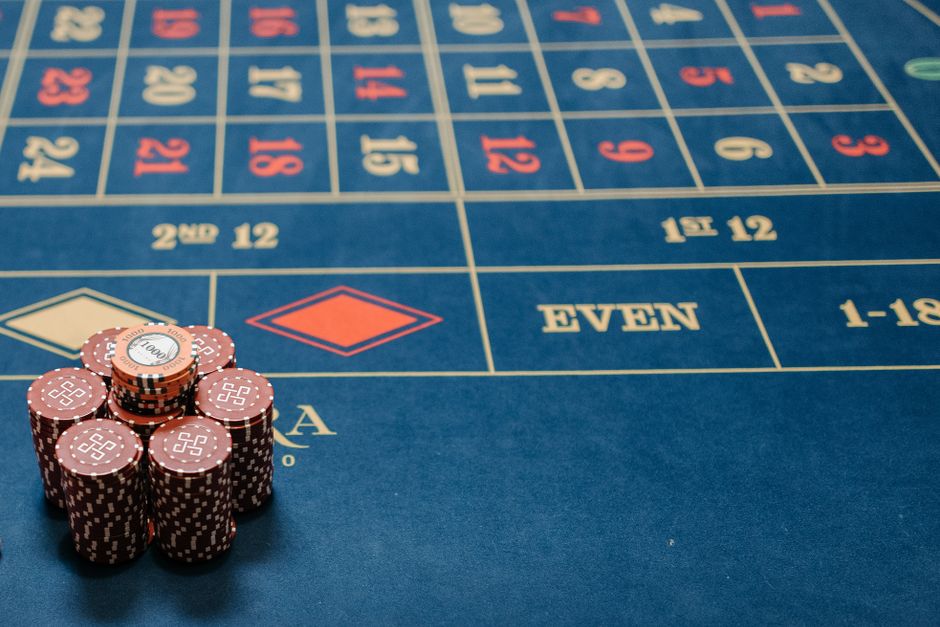
- European roulette: 2.7%, versus 5.26% on the American double-zero wheel. One extra pocket costs you nearly double.
- Slots: typically 2% to 10%, depending on the game and the casino's settings. Online slots often sit at the lower end because overhead is cheaper than a Vegas floor.
- Sportsbook parlays: the edge compounds with every leg. A five-leg parlay can carry a margin north of 20%.
Here's the takeaway: you don't beat the house edge by getting lucky. You manage it by choosing games where it's smallest and never betting more than you can watch disappear without losing sleep.
Slots: Volatility Is the Stat That Actually Matters
Everyone talks about RTP — return to player — and it's important. A 96% RTP slot returns 96 cents per dollar wagered over millions of spins. But RTP tells you nothing about the ride. That's where volatility comes in.
Low-volatility slots pay small amounts frequently. Think classic three-reel fruit machines or simpler five-reel games with modest multipliers. They're gentle on your bankroll but rarely produce the screenshot-worthy win.
High-volatility slots are the opposite: long dry spells punctuated by massive hits. Megaways titles, bonus-buy features, and games with 50,000x max wins live here. If you sit down at a high-volatility slot with a $20 bankroll, you're not playing — you're gambling on a lottery ticket with extra steps.
A practical rule: your bankroll should cover at least 100 to 200 spins at your chosen bet size for high-volatility games. Anything less and variance will eat you before the big feature has a chance to show up.
Poker Is the One Game Where Skill Genuinely Wins
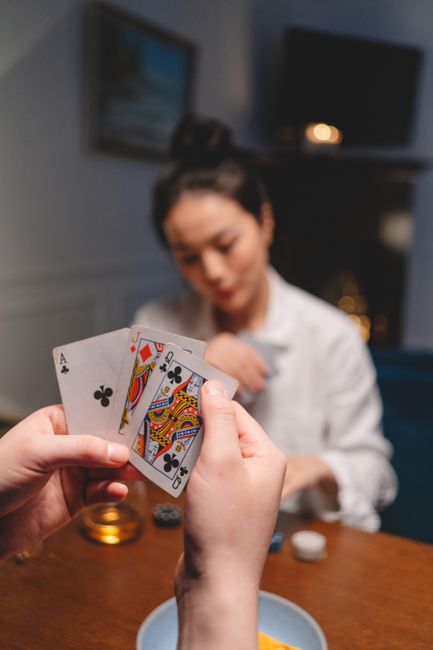
Poker is the outlier in iGaming. The house takes a rake — usually 5% of the pot, capped — but it doesn't care who wins. That means a skilled player can be profitable long-term, and an unskilled player can lose far more than they would at any table game.
The modern online poker landscape rewards discipline over flash. If you're serious about improving, here's a rough progression: There is a useful overview at FUN88.
- Master preflop ranges. Know which hands to open from which positions. This alone puts you ahead of 70% of micro-stakes players.
- Study bet sizing. Your sizing should tell a story. Random clicking is how recreational players leak money.
- Use a tracker or hand history review. Tools like PT4 or Holdem Manager are legal in most online rooms and will expose your leaks fast.
- Bankroll management is non-negotiable. A common rule is 20 to 30 buy-ins for cash games, 50 to 100 for tournaments.
- Game selection beats ego. Sitting at the softest table available is a skill, not a cop-out.
The uncomfortable truth about poker: you'll spend more time folding than playing. Patience is the edge.
Sports Betting: Line Shopping Is Free Money
If you place sports bets with a single sportsbook, you're leaving value on the table every single day. Different books price the same market differently, sometimes by 5% or more on the same game.
Example: Team A is -110 at Book One and -120 at Book Two. You take -110 every time. Over hundreds of bets, that half-point difference is the gap between a losing year and a profitable one.
Beyond line shopping, the sharpest bettors focus on:
- Closing line value (CLV): did you get a better number than the final line before kickoff? Consistently beating the close is the single best predictor of long-term profitability.
- Market types: moneylines and totals are tighter than prop bets and exotic markets, but exotics often carry more exploitable inefficiencies.
- Your own bias: if you bet your favorite team every week, you're not betting — you're buying entertainment. That's fine, just budget it that way.
The Psychology Trap Nobody Talks About
Everything above is useless if you can't control your own behavior. iGaming platforms are engineered — deliberately, expertly — to keep you engaged. Animation loops, near-miss sounds, variable reward schedules. These aren't accidents; they're the same mechanics that make slot machines in Vegas so sticky.
Signs you've crossed from recreation into problem territory:
- Chasing losses with bigger bets
- Hiding your play from family or friends
- Betting money earmarked for bills
- Feeling irritable or anxious when you can't play
Every licensed operator offers deposit limits, session timers, and self-exclusion tools. Use them before you need them. Setting a loss limit on a Tuesday afternoon when you're calm is infinitely easier than trying to hit stop-loss in the middle of a tilt spiral at 2 a.m. Further details are available through FUN 88.
The Bottom Line
iGaming rewards curiosity and punishes impulse. The players who stick around and actually enjoy the experience — the ones who treat it as entertainment with a cost, not an income stream — are the ones who understand the math, respect the variance, and walk away when the night stops being fun. Slots, poker, sports, whatever your poison: know the edge, manage the bankroll, and never bet more than the entertainment is worth. That's the whole game.