Slots, Poker and the Real Math Behind iGaming Wins
Every gambler remembers their first big win. Mine came on a Tuesday afternoon in a half-empty casino in Biloxi, Mississippi — a $3 spin on a five-reel video slot that paid out $1,400. For about ten minutes, I felt like a genius. Then I gave most of it back over the next two hours, because I had no idea what I was actually doing. That lesson stuck with me, and it is the same lesson most players never learn: the games you love are not designed to reward intuition. They reward (or punish) you based on math that was set long before you ever sat down.
If that sounds bleak, it isn't. Understanding the machinery behind slots, table games, betting and poker is exactly what separates the people who enjoy a long, sustainable hobby from those who chase losses into oblivion. Below is an honest breakdown of what is really happening when you play.
The House Edge Is Not a Conspiracy — It Is a Paycheck
Casinos do not need to cheat you, because the math already guarantees they profit over time. Every game carries a built-in advantage for the operator, known as the house edge. Here is a rough comparison:
- Blackjack (basic strategy): 0.4% to 0.8%
- Baccarat (banker bet): roughly 1.06%
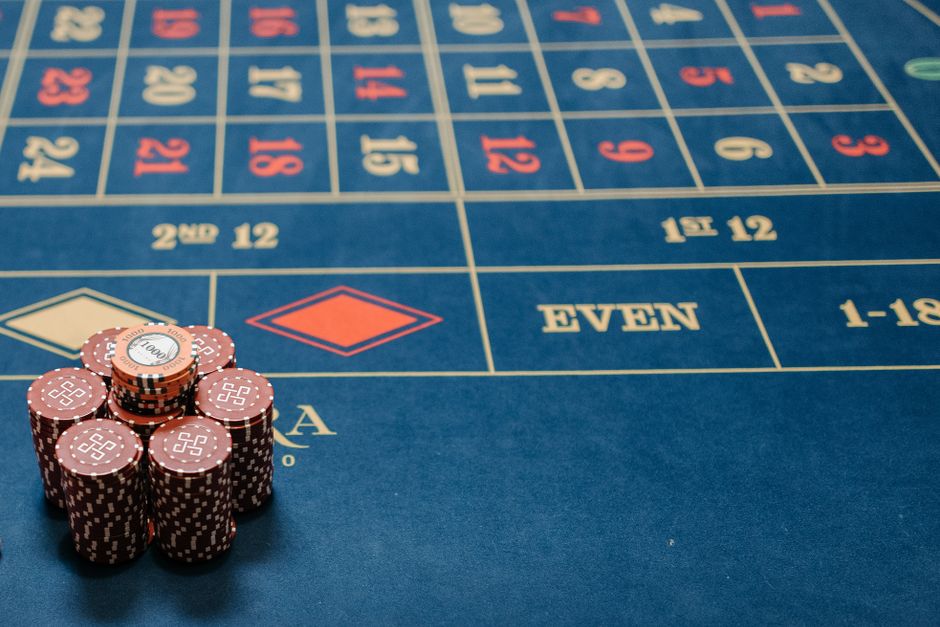
- European roulette: 2.7%
- Three-card poker (ante): around 3.4%
- Slots: 2% to 15%, often over 7%
- Kenapt-style lottery games: 25% to 50%
Notice the pattern. Games that require skill and smart decisions give you a much better fighting chance. Games that rely entirely on luck tend to dig deeper into your bankroll. This is why a disciplined blackjack player and a slot player can walk into the same casino with the same money and have completely different outcomes after four hours. For up-to-date information, visit 78WIN.
The house edge tells you what kind of value you are getting, not whether you will win tonight. Variance rules the short term. But the longer you play, the closer your results drift toward that mathematical reality. 78 WIN goes into the finer points.
Slots: Entertainment First, Profit Second
Modern slots are entertainment machines, not retirement plans. That doesn't mean they can't pay — jackpots are real and people do hit them — but the design has changed dramatically over the past 25 years. Older mechanical machines had maybe a dozen symbols and one payline. Today's video slots routinely pack 243 to over 100,000 ways to win, plus bonus rounds, expanding wilds and volatile payout structures.
Two numbers matter more than any feature: RTP (return to player) and volatility.
- RTP is the percentage of all wagered money a slot returns over millions of spins. A 96% RTP slot returns $96 for every $100 bet — on average, over an enormous sample.
- Volatility tells you how that return is delivered. Low volatility pays small amounts frequently. High volatility can go hundreds of spins without a big hit, then deliver a massive one.
A useful ritual: before playing a new slot, check its RTP in the paytable or the game's help screen. Anything under 95% is generally a poor choice compared to the alternatives. Also respect the fact that bonus rounds do not owe you a trigger just because you have spun 400 times — each spin is independent.
A Quick Bankroll Framework
Pick a number you are genuinely fine losing, and divide it into at least 200 spins. If your budget is $100, you are playing 50 cent spins. Ten-cent or 20-cent stakes stretch that same $100 far enough to actually enjoy a session.
Betting: Where Information Beats Luck
Sports betting has exploded in the United States and dozens of other markets, and it is the one iGaming vertical where information genuinely moves the needle. Bookmakers set odds using models and market pressure, but they do not always get it right. Line shopping — comparing prices across multiple sportsbooks — frequently returns 3% to 5% simply by taking the best number available.
A few habits that separate casual bettors from profitable ones:
- Shop for the best line. A -105 price versus -115 on the same bet can mean thousands over a year.
- Track every bet. Spreadsheets reveal which sports, markets and bet types actually work for you.
- Ignore accumulator lottery dreams. Ten-leg parlays feel glamorous but compound the bookmaker's edge ten times over.
- Bet into closing lines. If your team's odds shorten after you bet, you have a legitimate edge.
Stable, unglamorous single bets are how sharp bettors grind out profit. If you want to treat it as entertainment, that is fine too — just do not confuse the two.
Poker Is the Only Game Where Skill Can Beat the House
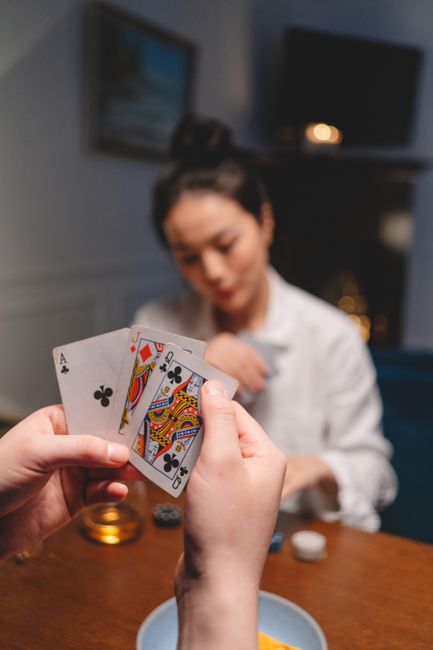
Poker works differently from everything else on this list. You are not playing against the casino; you are playing against other players. The house only takes a rake — usually 2% to 6% of each pot — so a sufficiently skilled player can beat the rake and win money consistently.
The catch is that most people are not that player. Winning at poker requires:
- Understanding position — acting last gives you more information and control.
- Calculating pot odds relative to your equity (the chance your hand wins).
- Reading betting patterns rather than relying on movie-style tells.
- Managing ego. Tilt — playing emotionally after a bad beat — destroys more bankrolls than bad luck ever will.
Cash games reward patience and discipline. Tournaments reward risk survival. And online poker rewards volume, because a 1% edge only becomes reliable over thousands of hands.
The Responsible Play Checklist
No matter what you play, keep these boundaries in place:
- Never gamble money earmarked for bills, rent or savings.
- Set both a loss limit and a time limit before you start.
- Take a break after a large win — the worst decisions come in the euphoric thirty minutes right after.
- Treat bonuses and free spins as entertainment value, not expected income.
- Never chase losses. The game does not know you are "due."
If gambling stops being fun, walk away. That is not weakness; it is the wisest bet you will ever make.
Closing Thought
The iGaming industry is a marvel of engineering, psychology and probability — a place where a five-reel slot with a 96% RTP and a lousy poker bluff can sit in the same 1,000-square-foot footprint. The players who last, by and large, are not the lucky ones. They are the ones who understand the math, respect the edge, and treat their bankroll as something to protect rather than something to conquer. Learn the numbers behind the games. Play the ones where you actually have a chance. And check your excitement level before you sit down, because the house never takes a night off.