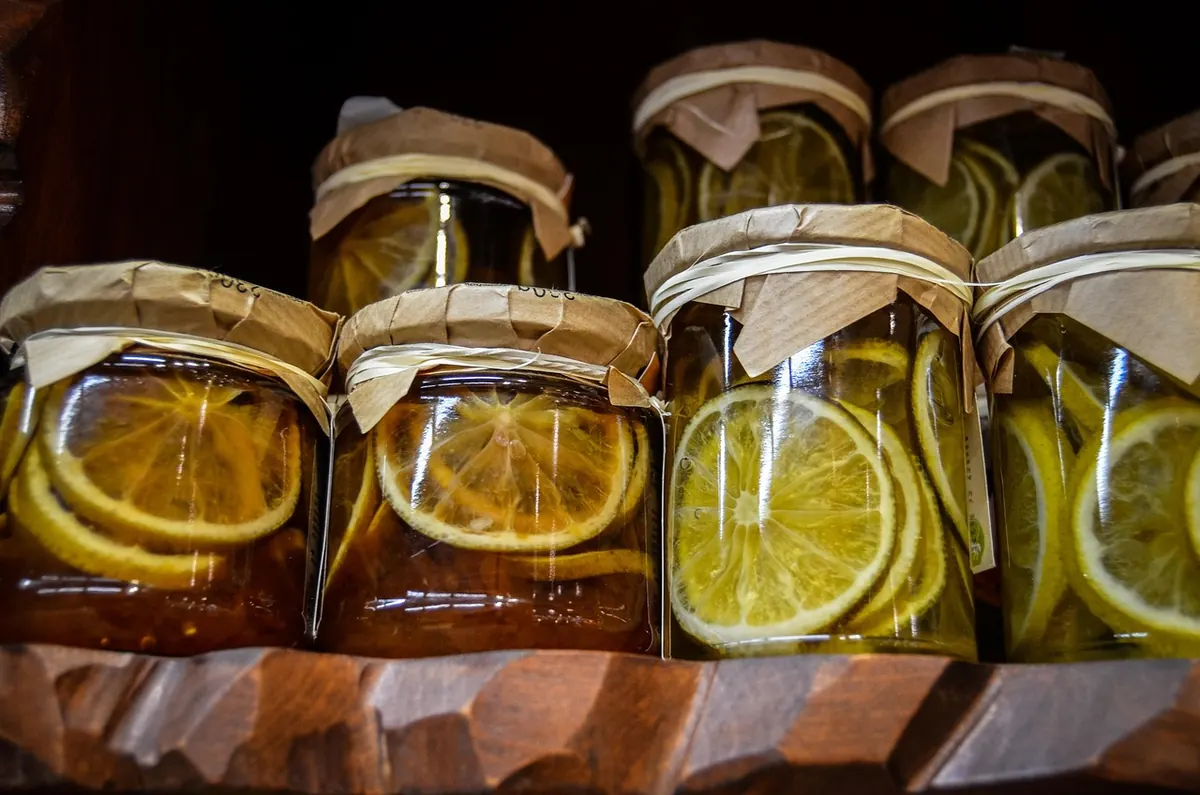
Chutney vs Relish vs Pickle: What's the Difference?
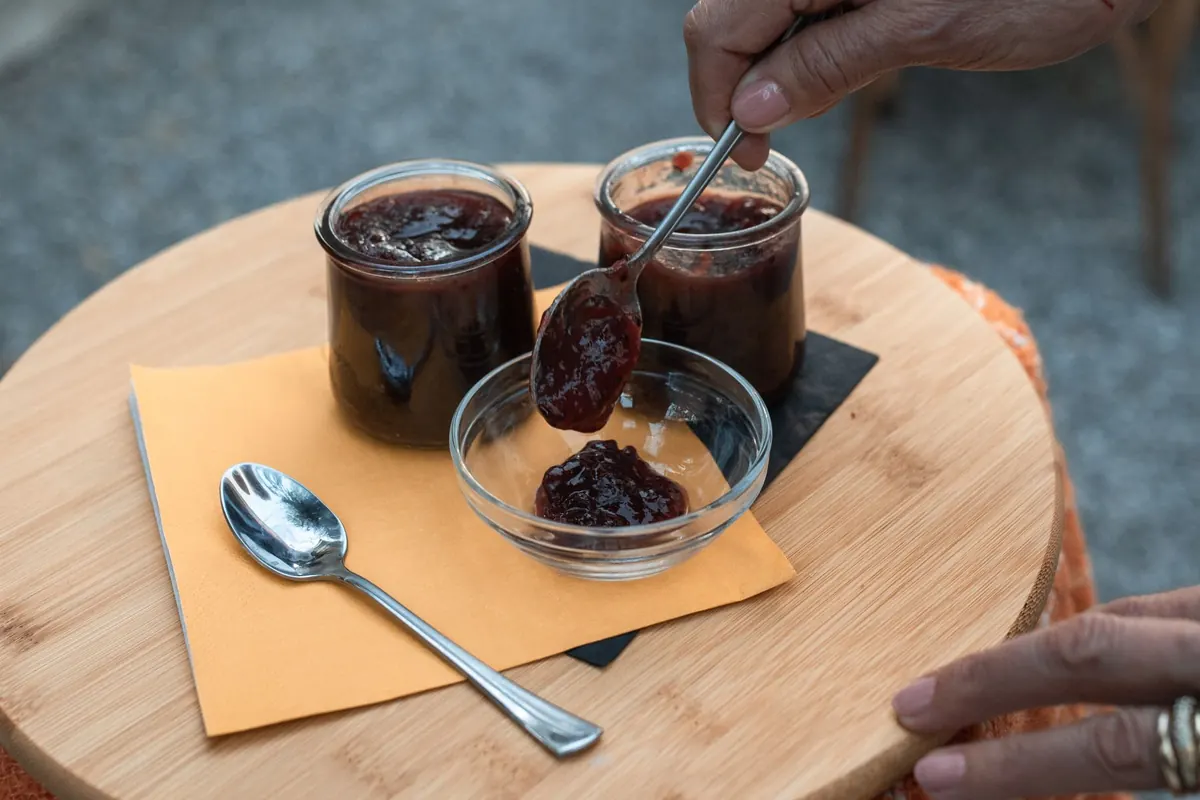
Chutney vs Relish vs Pickle: What's the Difference?
Chutney, relish, and pickle are often used interchangeably, but their texture, flavor, origin, and role in a meal can be quite different. A spoonful of mango chutney, a scoop of dill pickle relish, and a crunchy dill pickle spear may all sit beside a sandwich, yet they are made in distinct ways and belong to different culinary traditions. Understanding those differences can help you choose the right condiment, substitute intelligently in recipes, and appreciate why one culture calls something a pickle while another calls it a chutney.
The Short Answer
Chutney is a condiment from South Asian cooking, typically made from fruit, vegetables, herbs, sugar, vinegar, and spices. It can be cooked down into a thick, jammy spread or blended fresh into a loose paste. Classic examples include mango chutney, mint chutney, tamarind chutney, and coconut chutney.
Relish is a Western-style condiment made from chopped vegetables or fruit, usually pickled or cooked in vinegar, sugar, and spices. It tends to be chunky, spoonable, and tangy. Cucumber relish, corn relish, pepper relish, and hot dog relish are common in North America.
Pickle is both a process and a product. Pickling preserves food in brine, vinegar, or a fermented salt solution. In the United States, "pickle" usually means a pickled cucumber. In the United Kingdom and parts of the Commonwealth, "pickle" often refers to a dark, chutney-like condiment such as Branston pickle. In India, pickle or achar is usually a spicy, oil-based preserve made from mango, lime, chili, or other produce.
Chutney is often a flavor, relish is often a texture, and pickle is often a process.
Origins and Cultural Context
Chutney
Chutney comes from the Hindi word chatni, related to chatna, meaning "to lick." In India and neighboring countries, chutney is not one single recipe but a whole family of condiments. Some are fresh and bright, like green chutney made with cilantro, mint, green chilies, and lemon. Others are cooked and sweet, like mango chutney with ginger, cumin, and cinnamon. Chutney is central to Indian meals, served with curries, dosas, samosas, grilled meats, and rice dishes.
Relish
Relish comes from the French reles, meaning something left over or a remnant, and later came to mean a condiment that adds flavor to a dish. In American cooking, relish became especially associated with chopped cucumber pickles, though it can also be made from peppers, onions, corn, tomatoes, or fruit. Relish is often used as a topping for hot dogs, hamburgers, sausages, and sandwiches, and it can also be mixed into potato salad, tuna salad, or deviled eggs.
Pickle
Pickle traces back to the Dutch pekel or German pokel, meaning brine. Pickling is an ancient preservation method used around the world, from Korean kimchi to Japanese tsukemono to Eastern European pickled cabbage. The key is acid, salt, and time. A pickle can be fermented in saltwater, quick-pickled in vinegar, or preserved in oil and spices. That broad definition explains why a pickled egg, pickled okra, pickled onion, and pickled mango all count as pickles.
Texture and Consistency
- Chutney: Thick, jammy, sometimes smooth, sometimes chunky. Fresh chutneys are looser and more paste-like. Cooked chutneys can be syrupy or almost spreadable.
- Relish: Finely chopped, crunchy, and spoonable. The pieces are usually small and uniform, suspended in a tangy syrup or vinegar brine.
- Pickle: Firm, crunchy, and often whole, sliced, or speared. Pickles hold their shape and are submerged in brine or vinegar.
Flavor Profiles
Chutney
Chutney is often sweet, sour, spicy, and aromatic all at once. Mango chutney may taste of sugar, vinegar, ginger, and chili. Mint chutney is fresh, herbal, and fiery. Tamarind chutney is sticky, sour, and sweet. Coconut chutney is creamy, nutty, and mild. The balance depends on the region, family, and recipe.
Relish
Relish is usually tangy, sweet, and mildly sour. Dill pickle relish is salty, sour, and briny. Sweet pepper relish is brighter and more sugary. Corn relish is sweet with a vinegar edge. Relish is often milder than chutney or pickle, which makes it a friendly topping for rich, fatty foods.
Pickle
Pickle flavor ranges from salty and sour to sweet and spicy. Dill pickles are garlicky, sour, and herbaceous. Bread-and-butter pickles are sweet and tangy. Kimchi is funky, fermented, and hot. Pickled onions are sharp and crisp. The brine or fermentation liquid defines the final taste.
How They Are Made
- Chutney: Fruit or vegetables are simmered with sugar, vinegar, and spices until thick. Some chutneys are blended raw instead, especially herb-based versions. Sugar and acid help preserve the mixture.
- Relish: Vegetables or fruit are chopped, salted to draw out water, then mixed with vinegar, sugar, and spices. Some relishes are cooked and jarred, while others are packed fresh and refrigerated.
- Pickle: Produce is submerged in brine, vinegar, or a fermented salt solution. Quick pickles use vinegar and heat. Fermented pickles rely on beneficial bacteria. Oil-based pickles, common in South Asia, use spices and oil instead of vinegar.
Serving Suggestions and Pairings
- Chutney: Serve with Indian curries, samosas, pakoras, dosas, roasted meats, cheese boards, sandwiches, and grilled vegetables.
- Relish: Spoon onto hot dogs, burgers, sausages, sandwiches, and baked potatoes. Mix into potato salad, egg salad, or tartar sauce.
- Pickle: Add to burgers, sandwiches, charcuterie boards, Bloody Marys, fried pickles, and ploughman's lunches. Pickle juice can also be used in marinades and dressings.
Regional Variations That Cause Confusion
Geography creates most of the confusion. In the United States, a pickle is usually a cucumber preserved in vinegar or brine. In the United Kingdom, a pickle is often a jarred, chutney-like spread made with vegetables, sugar, vinegar, and spices. In India, pickle or achar is a spicy, oily preserve that can be eaten with rice, roti, or yogurt. Meanwhile, chutney in India can be fresh and uncooked, while chutney in Western supermarkets is often sweet and jarred.
Relish also shifts meaning. In the U.S., relish usually means chopped pickle relish. In some other English-speaking countries, relish can mean a thicker, cooked condiment similar to chutney. That is why reading the label matters more than trusting the name alone.
Common Misconceptions
- Misconception: Chutney is always sweet. Reality: Many chutneys are spicy, sour, or herbal, with little or no sugar.
- Misconception: Relish is always made from cucumbers. Reality: Relish can be made from peppers, corn, onions, tomatoes, fruit, or a mix.
- Misconception: Pickles are always cucumbers. Reality: Eggs, onions, okra, mango, cabbage, and fish can all be pickled.
- Misconception: The three are fully interchangeable. Reality: They can sometimes substitute for one another, but texture, sweetness, and acidity will change the dish.
How to Choose and Substitute
Choose based on what your food needs. If you want sweetness, spice, and complexity, reach for chutney. If you want a crunchy, tangy topping that distributes evenly, choose relish. If you want a sharp, salty, sour bite with firm texture, choose pickle.
- Need a sweet-tart glaze? Use chutney.
- Need a sandwich topping with crunch? Use relish.
- Need acidity and crunch in one bite? Use pickle.
- Substituting chutney for relish? Chop it finely and expect a sweeter, spicier result.
- Substituting relish for pickle? Use it where texture is less important, such as in dressings or salads.
- Substituting pickle for chutney? Add a little sugar, fruit, or spice to mimic chutney's balance.
Storage and Shelf Life
Commercial chutney, relish, and pickles are usually shelf-stable before opening because their acid, sugar, or salt content discourages spoilage. Once opened, refrigerate them and use a clean spoon each time. Cooked chutneys and relishes often last for weeks or months in the refrigerator. Fresh chutneys last only a few days. Fermented pickles can keep for months if kept submerged in brine. Discard any jar with mold, off smells, rising bubbles, or changed color.
Final Takeaway
Chutney, relish, and pickle overlap, but they are not the same thing. Chutney is a broad family of sweet, sour, spicy, and fresh condiments with South Asian roots. Relish is a chopped, tangy condiment often used as a topping. Pickle is a preservation method and a product, ranging from cucumber spears to Indian mango achar. The next time a recipe calls for one, consider what it contributes: sweetness, crunch, acidity, heat, or texture. That will tell you whether to swap, adapt, or simply enjoy the difference.
Photo: RDNE Stock project / Pexels